
ZAMS Technologies LogoZAMS Technologies
HomeAboutServicesIndustriesCase StudiesBlogContact
Get Started
ZAMS Technologies LogoZAMS Technologies

Empowering Digital Transformation Through Cloud, DevOps, and Software Innovation.

Services

  • Cloud Computing
  • DevOps Consulting
  • Solution Architecture
  • Software Development

Company

  • About Us
  • Case Studies
  • Blog
  • Contact

Contact

  • Email: support@zamstechnologies.com
  • Address: Electronic City, Bangalore
  • Karnataka, India - 560100

© 2026 ZAMS Technologies. All rights reserved.

Maintained & Secured by Netforge Technologies

ZAMS Technologies LogoZAMS Technologies
HomeAboutServicesIndustriesCase StudiesBlogContact
Get Started
Cloud Computing

Database Migration Strategies: From On-Premise to Cloud

Jennifer Lee

Jennifer Lee

2023-12-20
14 min read
Database Migration Strategies: From On-Premise to Cloud

Database Migration Strategies: From On-Premise to Cloud

Database migration to the cloud is a complex but often necessary process. This guide outlines key strategies, best practices, and considerations for a successful migration.

Understanding the Need for Migration

Drivers for cloud migration:

  • Cost savings
  • Scalability and elasticity
  • Improved performance
  • Enhanced availability and disaster recovery
  • Access to managed services
  • Modernization of IT infrastructure

Migration Strategies

1. Lift and Shift (Rehost)

Migrate databases with minimal changes:

Pros:

  • Fastest migration path
  • Minimal changes to applications
  • Lower risk

Cons:

  • May not leverage cloud-native features
  • Could miss optimization opportunities

2. Replatform

Make some optimizations during migration:

Examples:

  • Switch from self-managed to managed database services (e.g., RDS, Cloud SQL)
  • Adjust configurations for cloud environment

3. Refactor

Redesign the database architecture:

When to consider:

  • Moving to NoSQL or NewSQL databases
  • Implementing microservices architecture
  • Significant performance improvements needed

Best Practices

Pre-Migration

  • Audit existing databases thoroughly
  • Identify dependencies and data flows
  • Plan for downtime windows
  • Set up monitoring and alerting

During Migration

  • Use incremental migration when possible
  • Validate data integrity at each step
  • Monitor performance closely
  • Have rollback procedures ready

Post-Migration

  • Verify application functionality
  • Compare performance metrics
  • Document lessons learned
  • Decommission old systems safely

Conclusion

Database migration to the cloud requires careful planning and execution. Start with a thorough assessment, choose the right migration strategy, and maintain rigorous validation throughout the process.

Related Articles

The Future of Cloud Computing: Trends to Watch in 2025
Cloud Computing

The Future of Cloud Computing: Trends to Watch in 2025

Explore the emerging trends shaping cloud computing, from edge computing to quantum cloud services.

8 min read
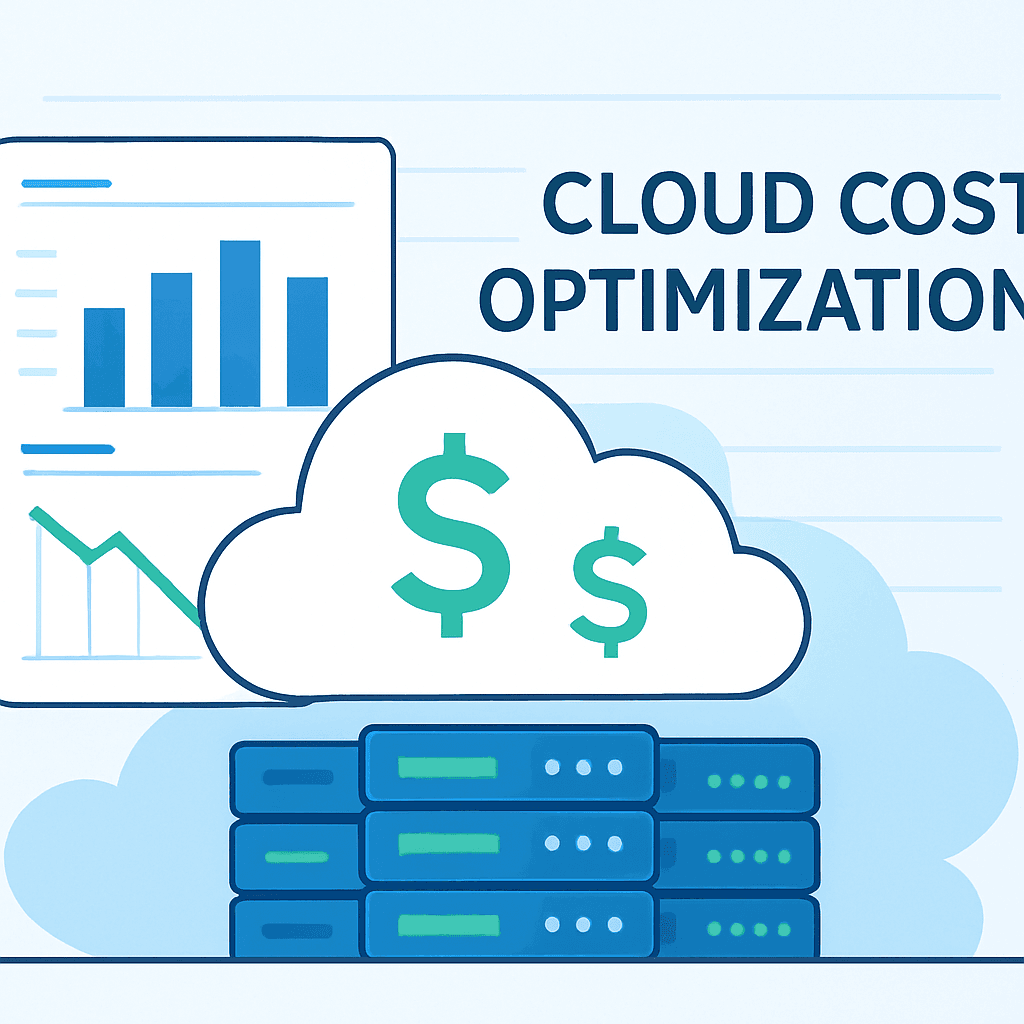
Cloud Cost Optimization: Strategies to Reduce Your AWS Bill
Cloud Computing

Cloud Cost Optimization: Strategies to Reduce Your AWS Bill

Practical strategies and tools to optimize cloud costs and maximize ROI on AWS infrastructure.

11 min read
Serverless Architecture: Building Scalable Applications
Cloud Computing

Serverless Architecture: Building Scalable Applications

Learn how to build scalable, cost-effective applications using serverless architecture patterns.

13 min read
ZAMS Technologies LogoZAMS Technologies

Empowering Digital Transformation Through Cloud, DevOps, and Software Innovation.

Services

  • Cloud Computing
  • DevOps Consulting
  • Solution Architecture
  • Software Development

Company

  • About Us
  • Case Studies
  • Blog
  • Contact

Contact

  • Email: support@zamstechnologies.com
  • Address: Electronic City, Bangalore
  • Karnataka, India - 560100

© 2026 ZAMS Technologies. All rights reserved.

Maintained & Secured by Netforge Technologies