The Future of Cloud Computing: Trends to Watch in 2025
Cloud computing continues to evolve at a rapid pace, transforming how businesses operate and innovate. As we move through 2025, several key trends are reshaping the cloud landscape.
Edge Computing Revolution
Edge computing is moving processing power closer to data sources, reducing latency and bandwidth usage. This shift is crucial for:
- IoT applications requiring real-time processing
- Autonomous vehicles needing instant decision-making
- AR/VR experiences demanding low latency
- Industrial automation with time-sensitive operations
Implementation Example
// Edge function example
export default async function handler(request) {
  const userLocation = request.geo.city;
  const nearestDataCenter = findNearestDC(userLocation);

  return new Response(JSON.stringify({
    datacenter: nearestDataCenter,
    latency: calculateLatency(userLocation, nearestDataCenter)
  }));
}
AI-Driven Infrastructure
Artificial intelligence is revolutionizing cloud infrastructure management through:
- Predictive scaling based on usage patterns
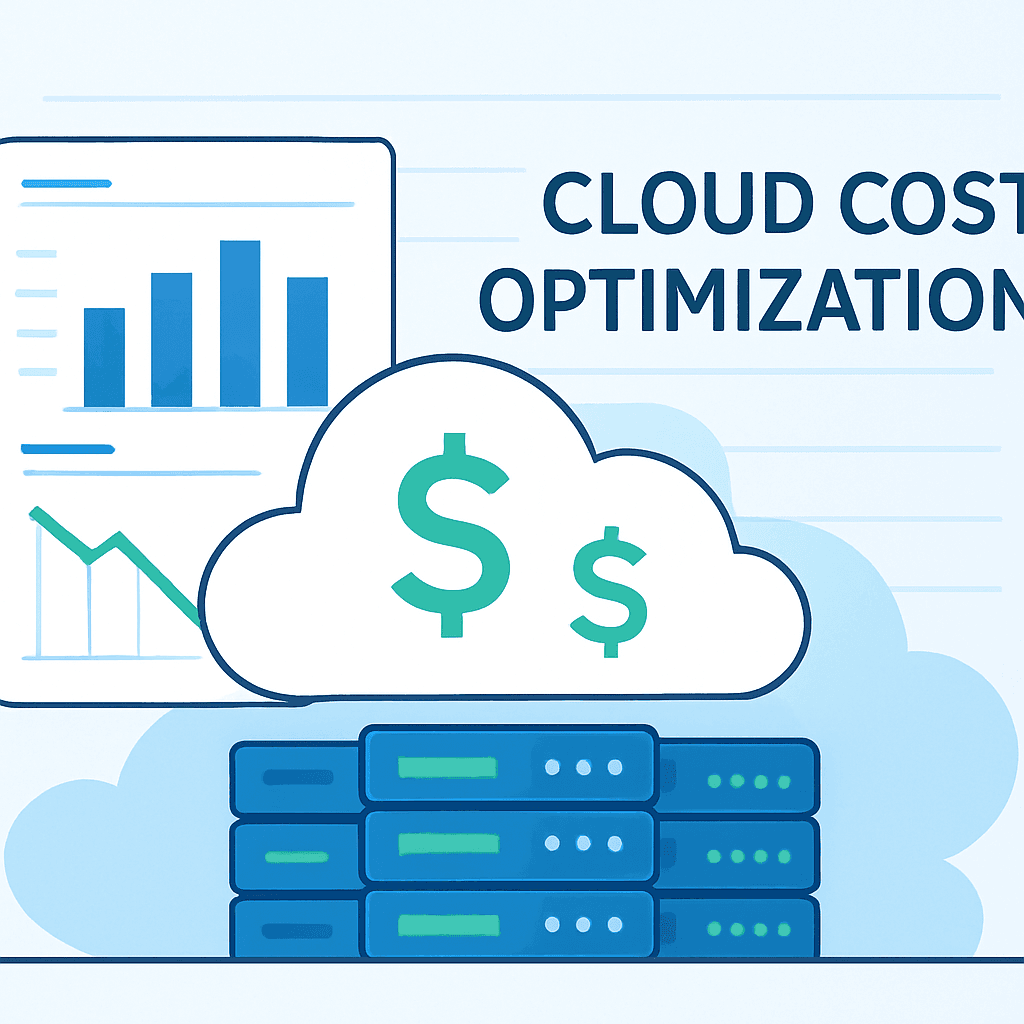
- Automated cost optimization
- Intelligent resource allocation
- Self-healing systems
Multi-Cloud Strategies
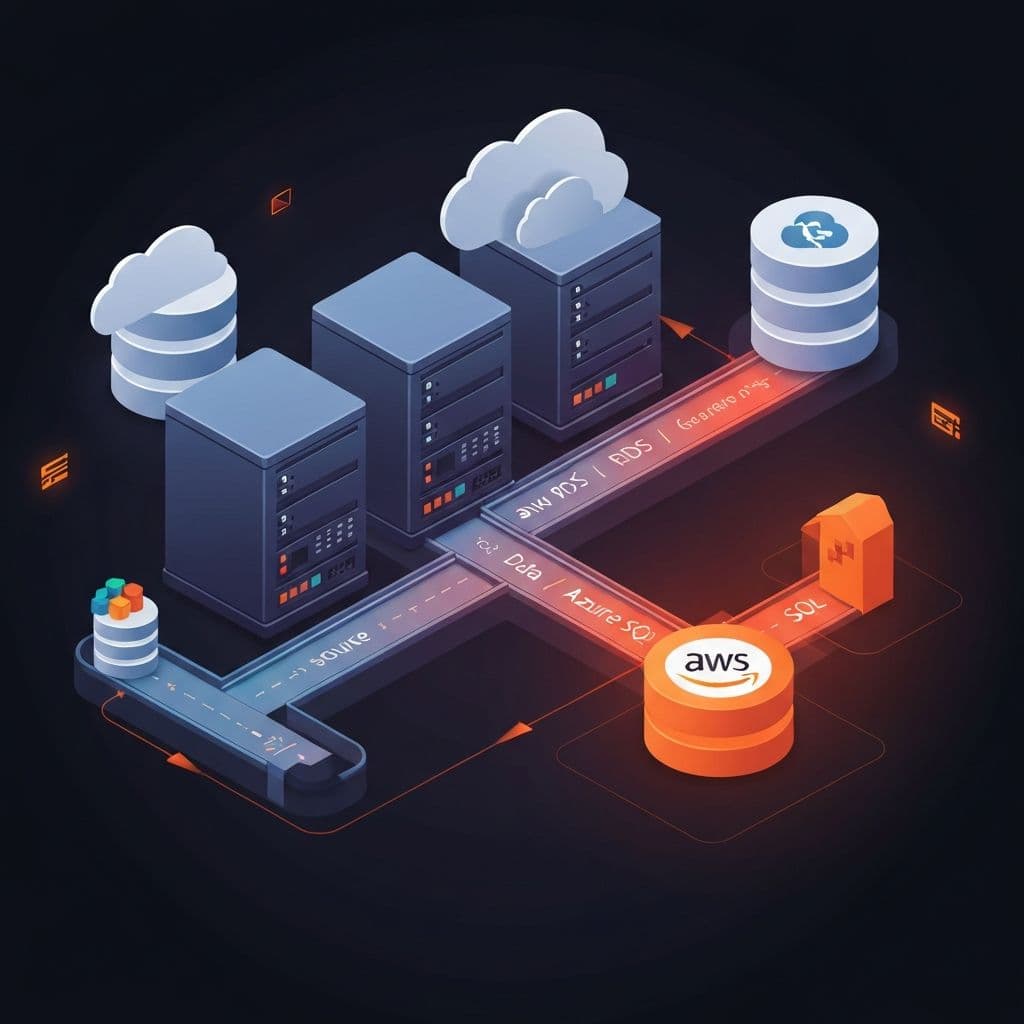
Organizations are increasingly adopting multi-cloud approaches to:
- Avoid vendor lock-in
- Optimize costs across providers
- Leverage best-of-breed services
- Ensure business continuity
Serverless Evolution
Serverless computing is maturing with:
- Improved cold start times
- Better debugging tools
- Enhanced monitoring capabilities
- Broader language support
Conclusion
The future of cloud computing is exciting and full of opportunities. Organizations that stay ahead of these trends will be well-positioned to leverage cloud technology for competitive advantage.