GitOps: Modern Infrastructure Management
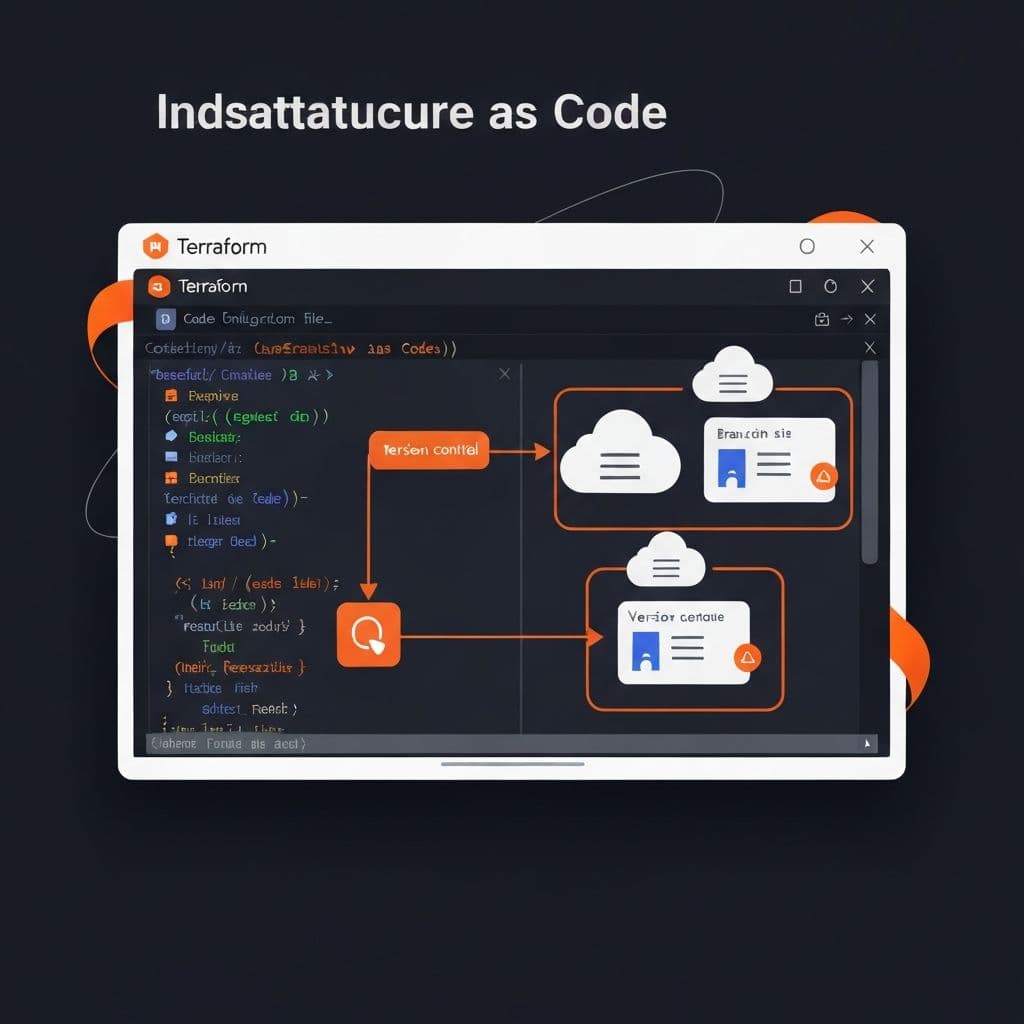
GitOps is an operational framework that takes DevOps best practices used for application development and applies them to infrastructure automation. It uses Git as the single source of truth for declarative infrastructure and applications.
Core Principles of GitOps
- Declarative Configuration: All infrastructure and application configurations are described declaratively.
- Version Control (Git): The desired state of your system is stored in a Git repository.
- Automated Delivery: Changes merged to Git are automatically applied to the live environment.
- Continuous Reconciliation: Agents continuously ensure the live environment matches the desired state in Git.
How GitOps Works
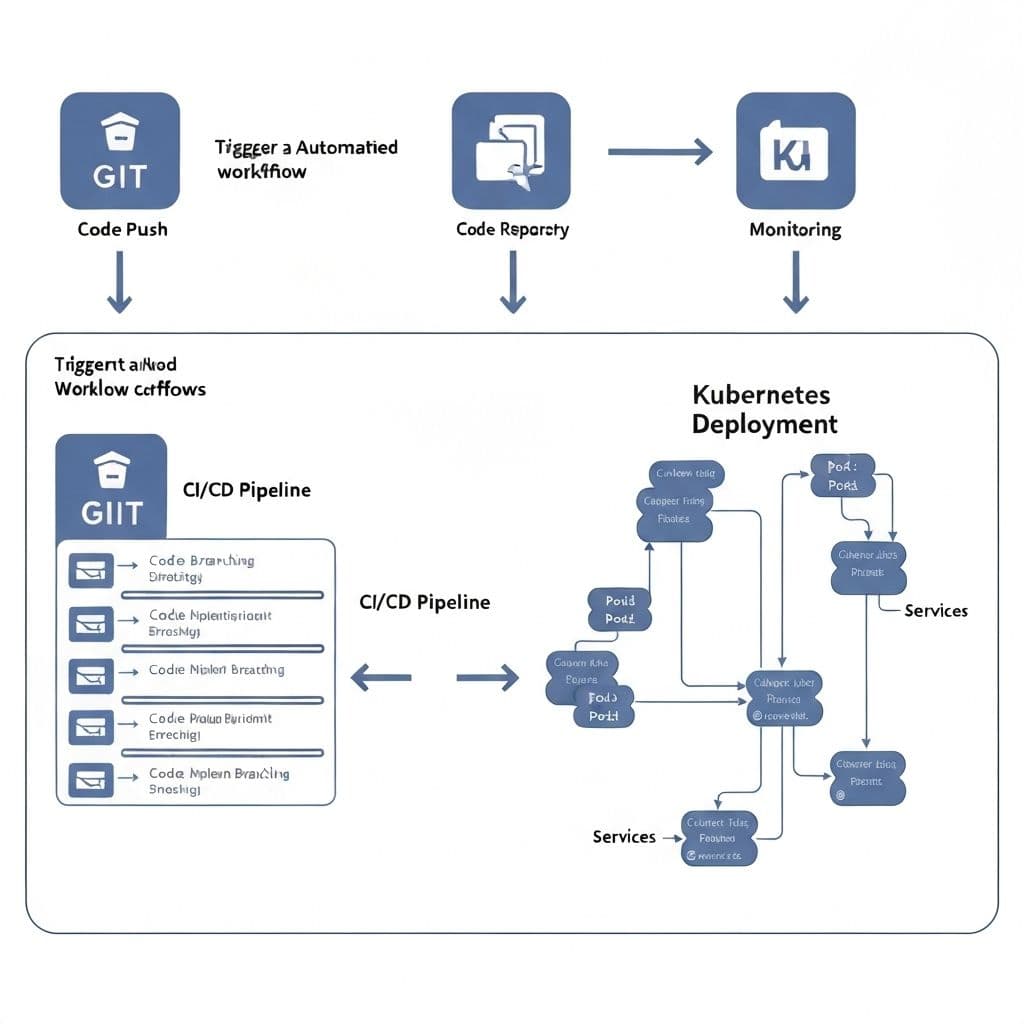
- Developer/Operator commits changes to a Git repository.
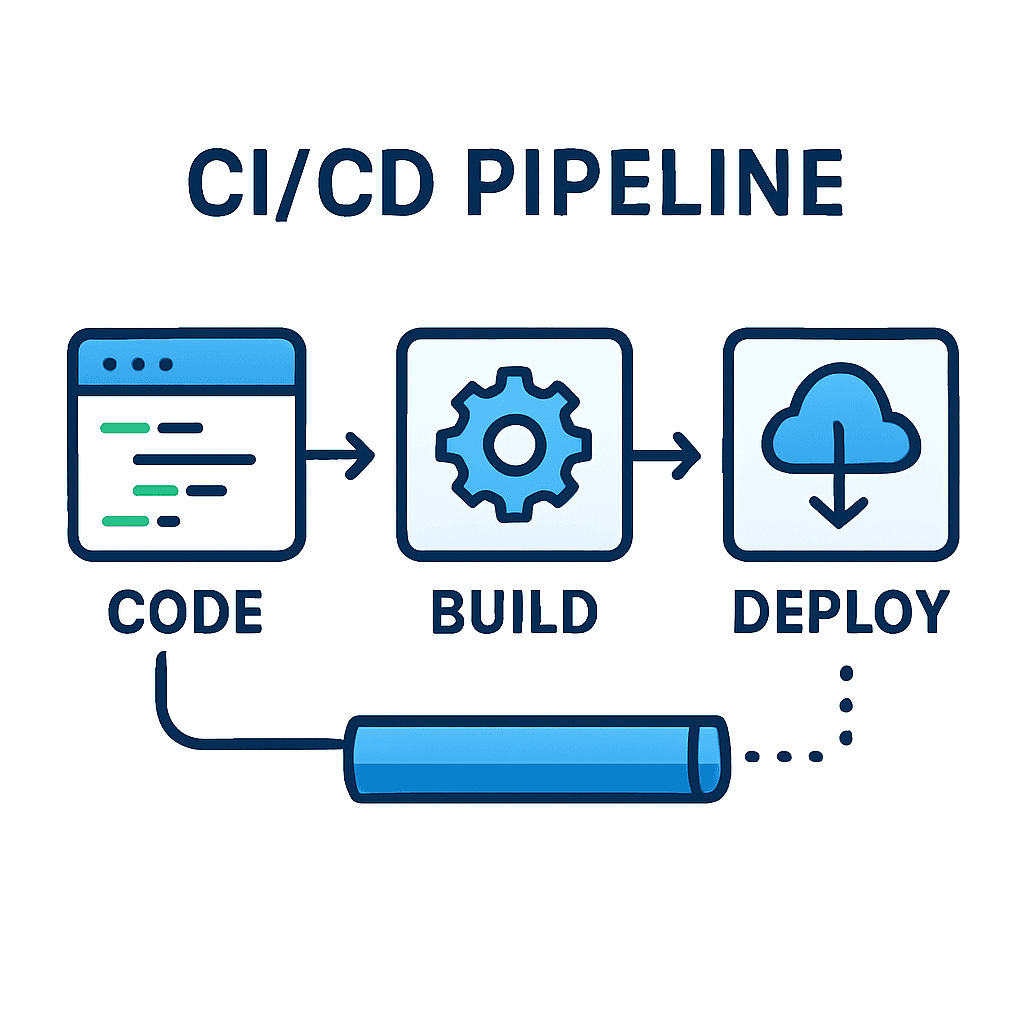
- CI/CD pipeline detects changes and builds necessary artifacts.
- Changes are merged into a designated branch.
- An agent watches the Git repository for changes.
- The agent pulls the updated configuration and applies it to the target environment.
- The agent continuously monitors the environment, reconciling any drift.
Key Components
1. Git Repository
Acts as the single source of truth for the entire system state.
2. GitOps Agent/Operator
Software that monitors Git and applies changes to the target environment:
- Argo CD: A declarative, GitOps continuous delivery tool for Kubernetes.
- Flux CD: A set of GitOps tools for Kubernetes.
3. Kubernetes Cluster
The environment where applications and infrastructure are deployed.
Benefits of GitOps
1. Increased Velocity and Reliability
- Automated deployments mean faster, more frequent releases
- Reduced errors through automation
2. Enhanced Security
- Git history provides a complete audit log of all changes
- All infrastructure changes go through code review
3. Improved Operational Efficiency
- Single source of truth simplifies understanding the system's state
- Drift detection and automatic correction
Conclusion
GitOps provides a powerful framework for managing infrastructure through version control. Start with a pilot project, learn the patterns, and gradually expand adoption across your organization.